Servings 4
- Amount Per Serving
- % Daily Value *
- Total Fat 0.03g1%
- Saturated Fat 0.04g1%
- Trans Fat 0.03g
- Cholesterol 0.07mg1%
- Sodium 0.04mg1%
- Potassium 0.04mg1%
- Total Carbohydrate 0.02g1%
- Dietary Fiber 0.03g1%
- Sugars 0.03g
- Protein 0.03g1%
- Vitamin A 0.05 IU
- Vitamin C 0.03 mg
- Calcium 0.02 mg
- Iron 0.03 mg
- Vitamin B12 0.02 mcg
- Biotin 0.03 mcg
* Percent Daily Values are based on a 2,000 calorie diet. Your daily value may be higher or lower depending on your calorie needs.
Note
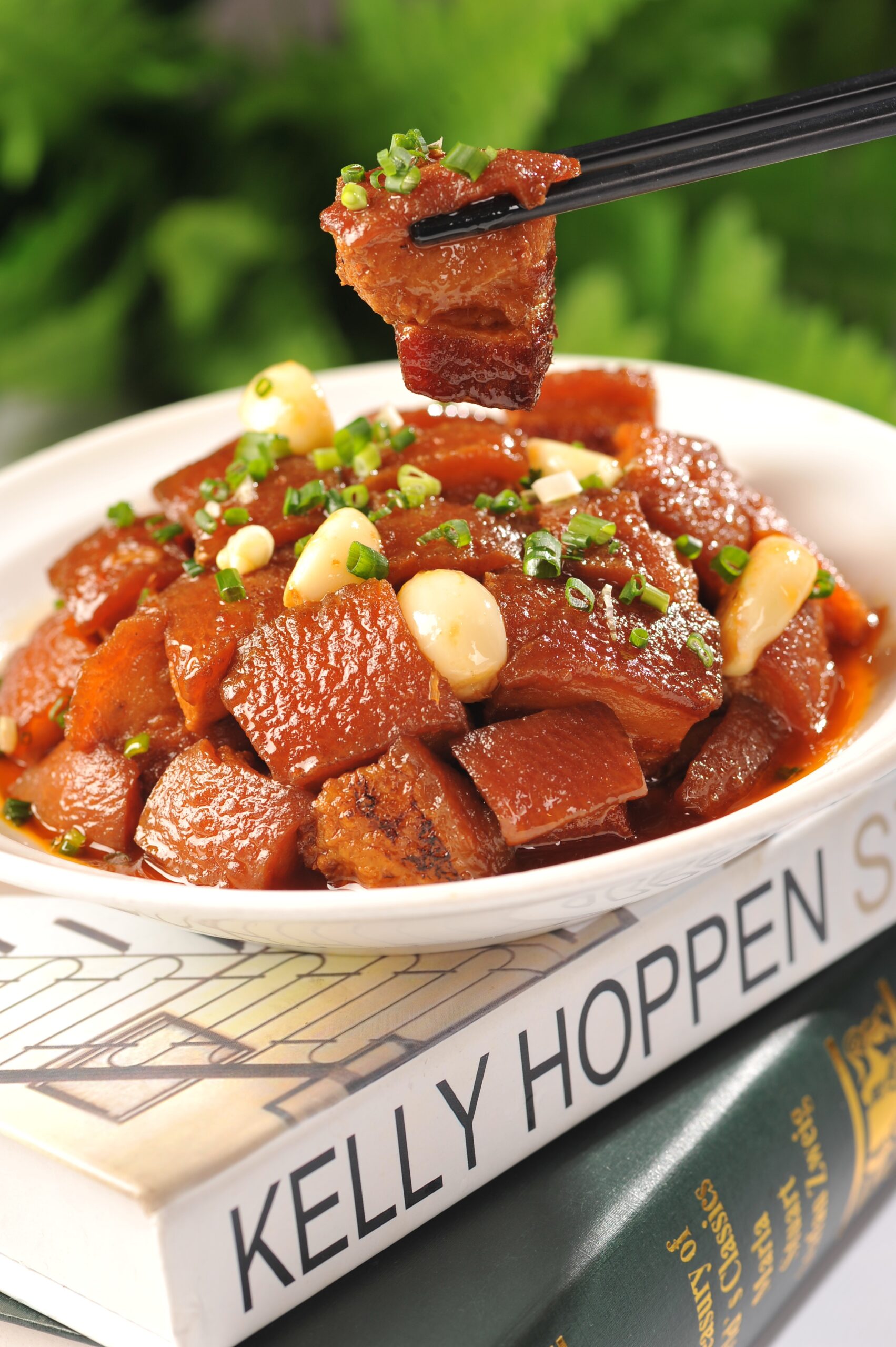
When making Pork Adobo, you should be careful about the following points:
- Balance the soy sauce and vinegar – Too much vinegar can make the dish too sour, while too much soy sauce can make it too salty. Maintain a good balance for the best flavor.
- Don’t stir after adding vinegar (at first) – Let the vinegar boil for a few minutes before stirring to remove its raw taste.
- Cook the pork until tender – Simmer slowly to allow the meat to absorb the flavors and become soft.
- Adjust seasoning carefully – Taste the sauce near the end of cooking before adding extra salt or soy sauce.
- Don’t burn the garlic – Brown it lightly for aroma, but burning it can make the sauce bitter.
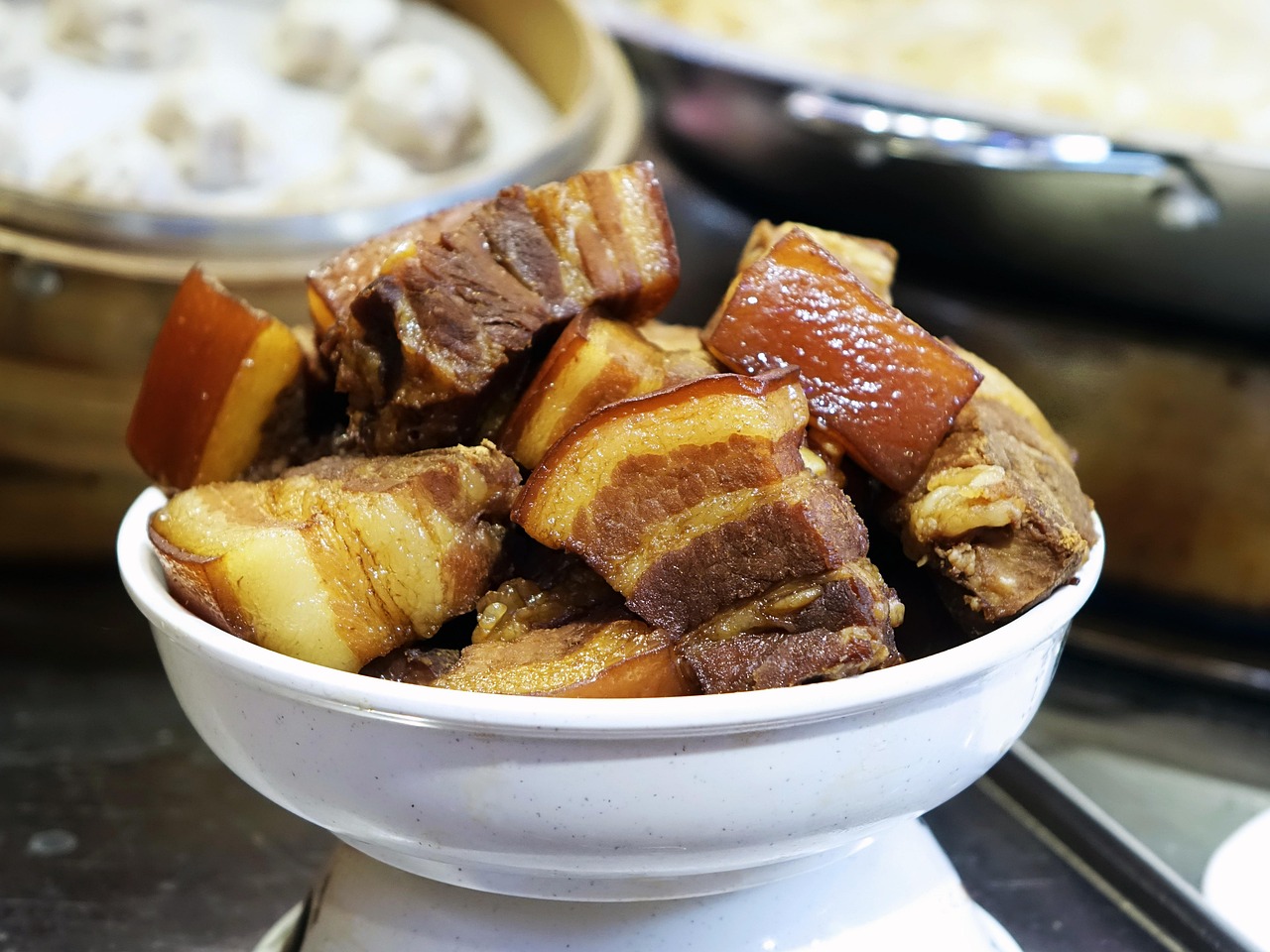
- Use the right cut of meat – Pork belly or shoulder works best for tenderness and flavor.
- Reduce sauce properly – Let the sauce thicken slightly so it coats the meat well without becoming too dry.
Keywords:
Pork adobo, Filipino cuisine, soy sauce, vinegar, garlic, savory, tender pork, stew.