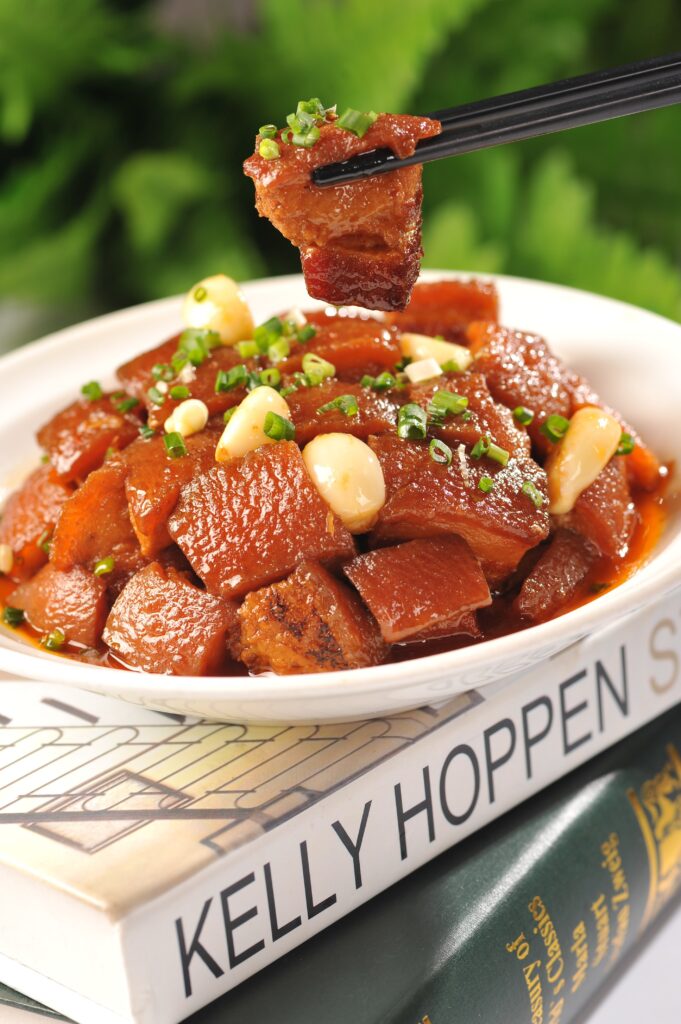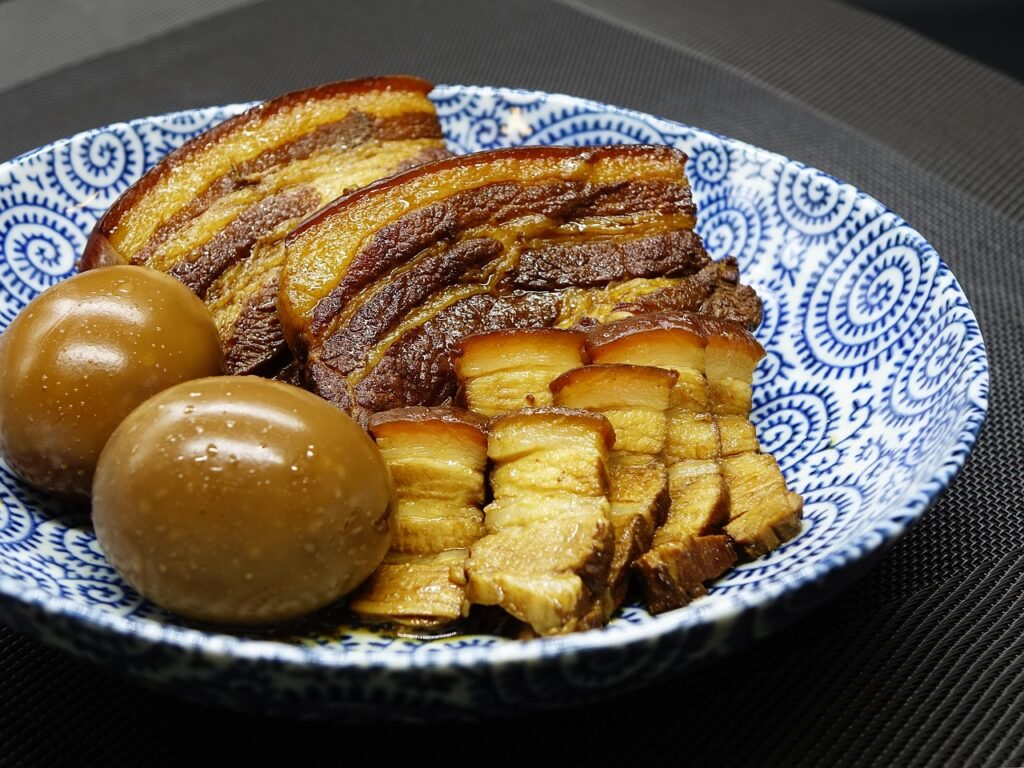

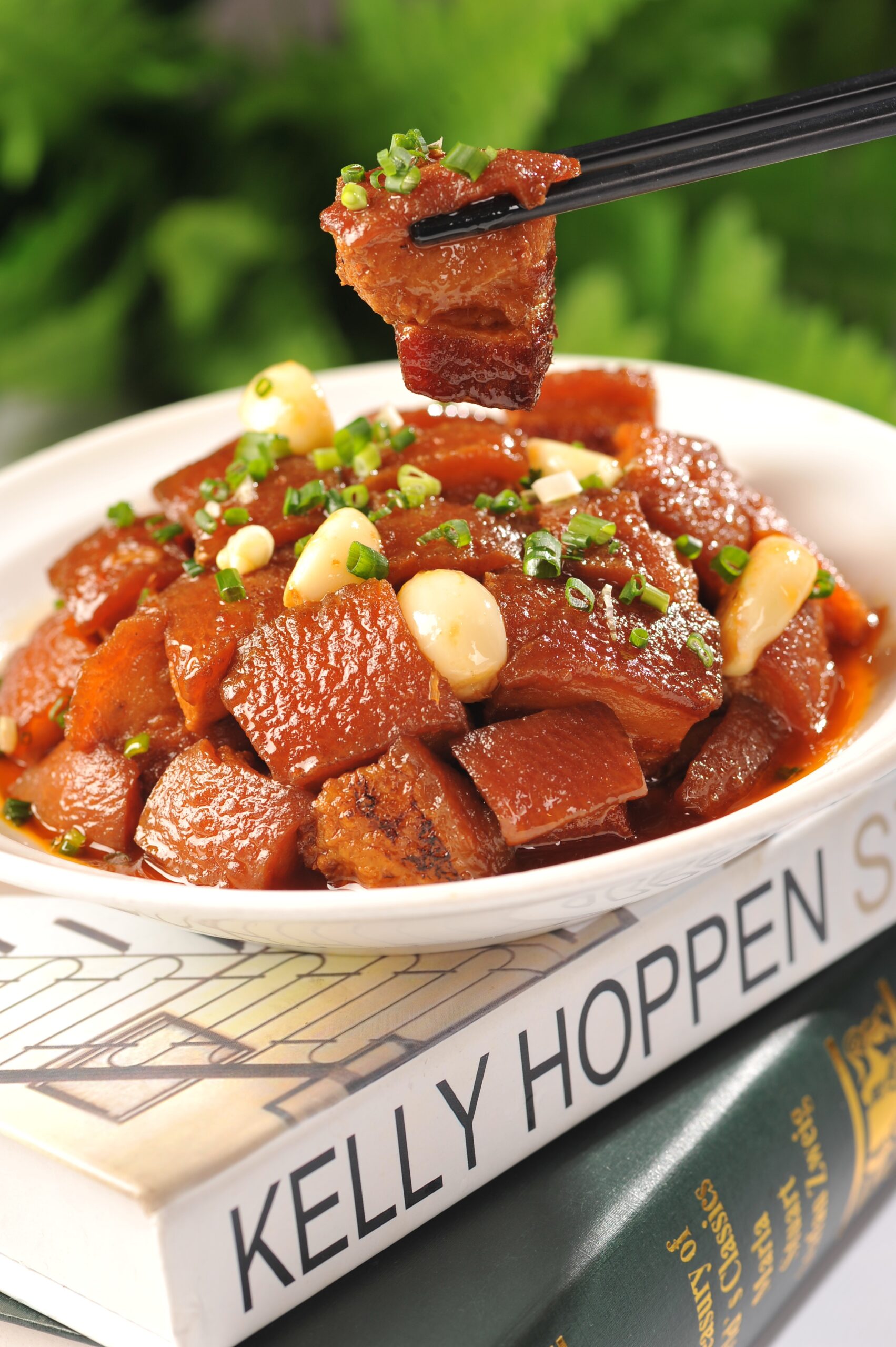
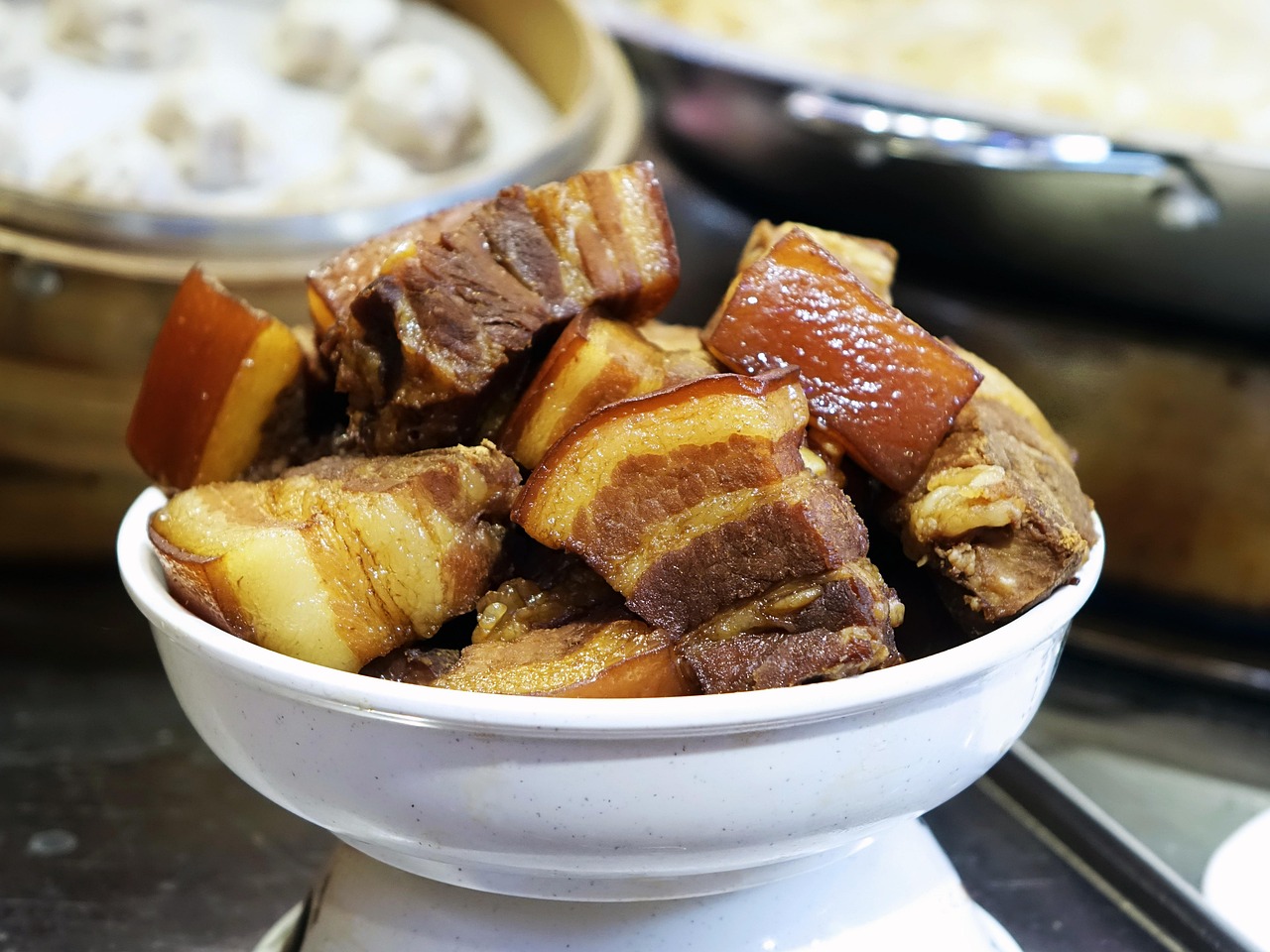
Pork Adobo is a traditional Filipino dish made by braising pork in a mixture of soy sauce, vinegar, garlic, bay leaves, and black pepper. It’s known for its savory, slightly tangy, and aromatic flavor. The pork becomes tender as it cooks slowly in the sauce, which thickens into a rich glaze. Pork Adobo is considered a national dish of the Philippines and is loved for its simplicity, bold taste, and long shelf life.
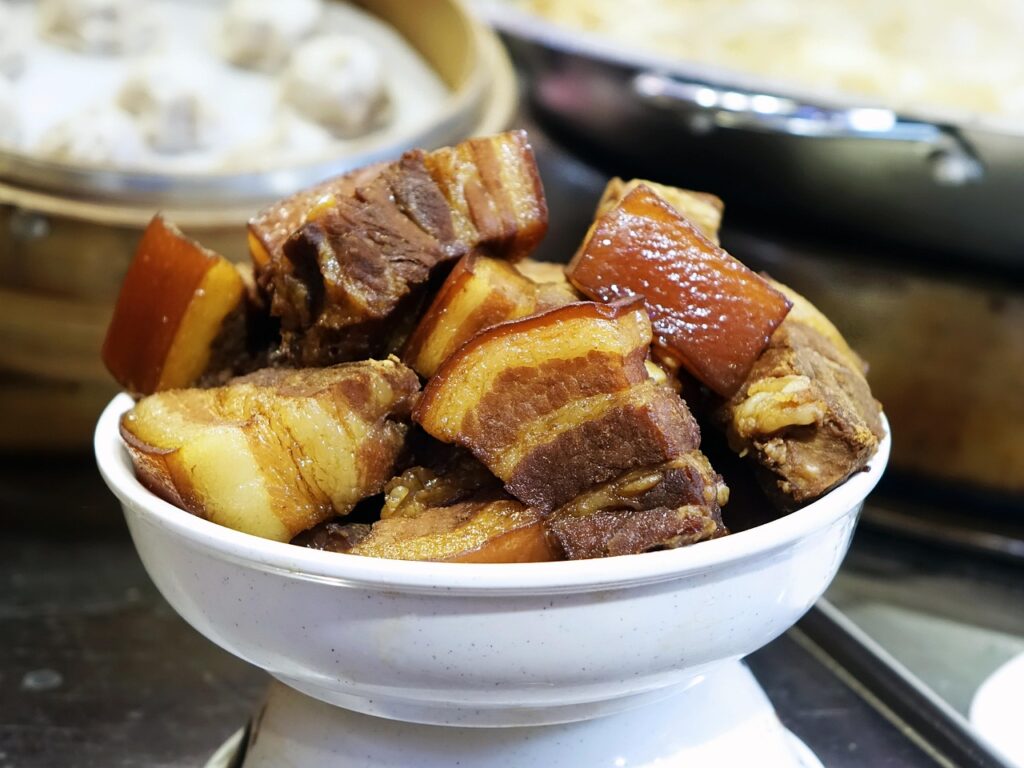

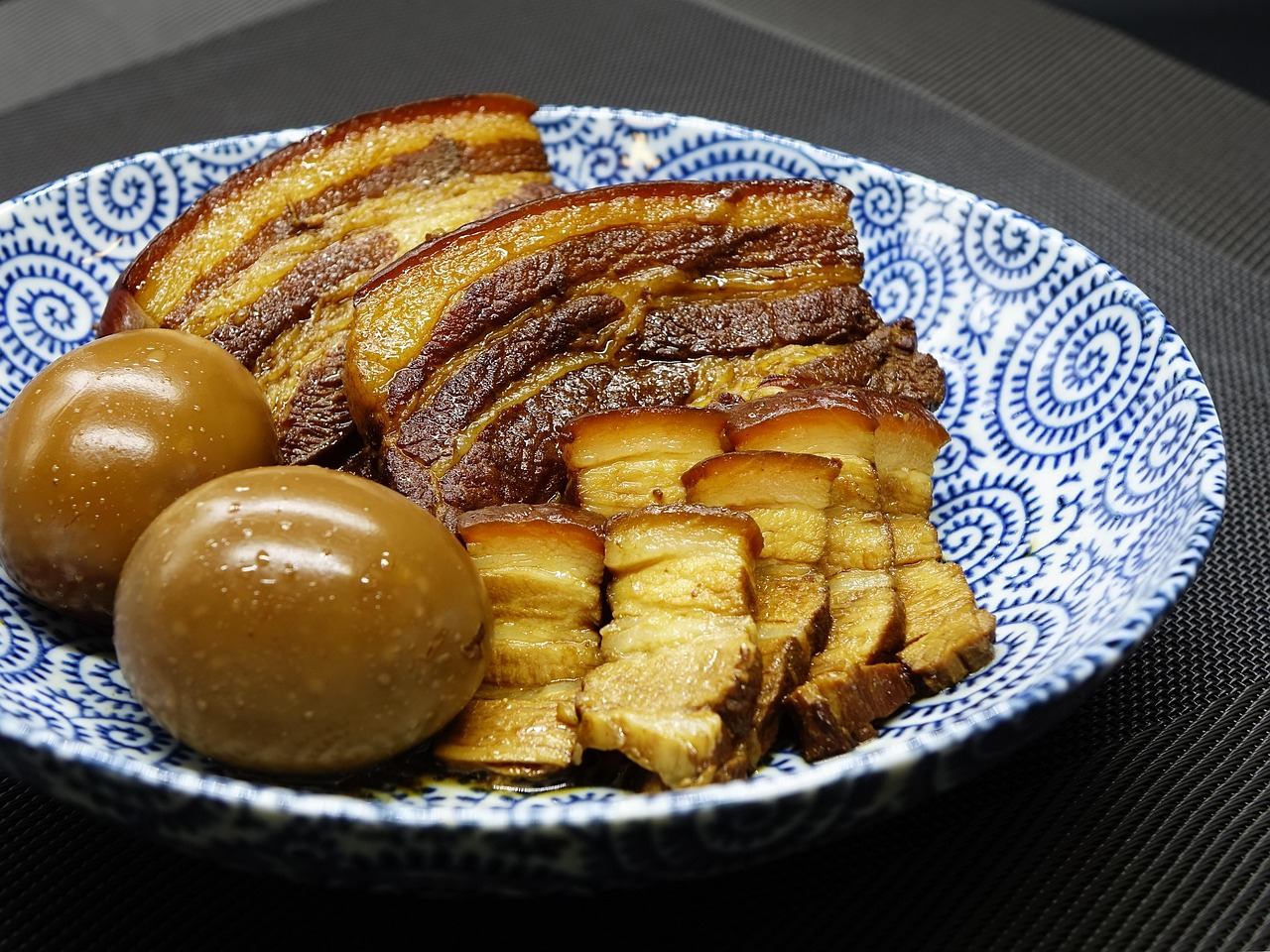
Pork Adobo
Description
Pork Adobo is a famous Filipino dish made by simmering pork in a savory blend of soy sauce, vinegar, garlic, and spices. The slow cooking process makes the meat tender and flavorful, with a rich, slightly tangy sauce that pairs perfectly with steamed rice.
Ingredients
Instructions
-
Marinate pork
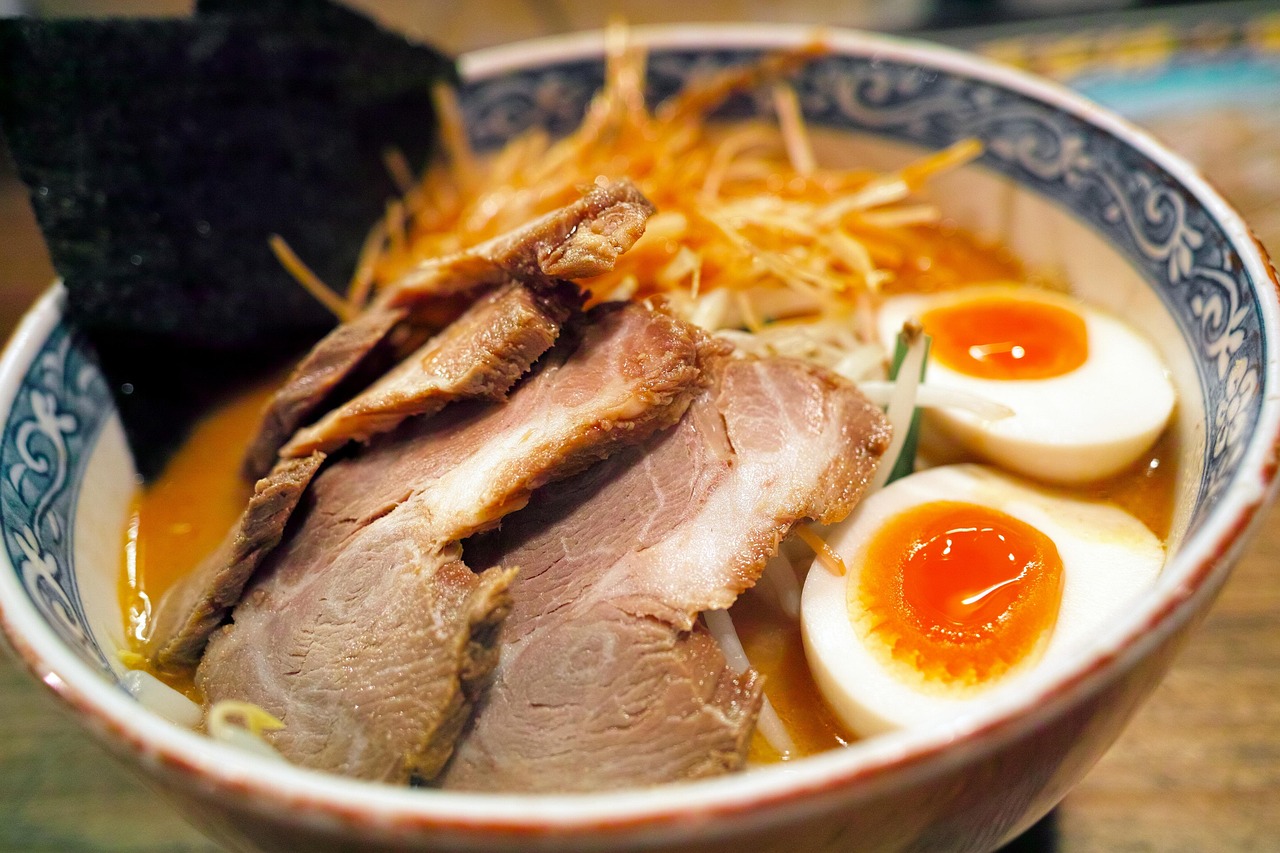
Combine pork, soy sauce, and half the garlic. Marinate for at least 30 minutes (or overnight for deeper flavor).
-
Sauté aromatics
Heat oil in a pot, sauté remaining garlic and onions until fragrant.
-
Brown pork
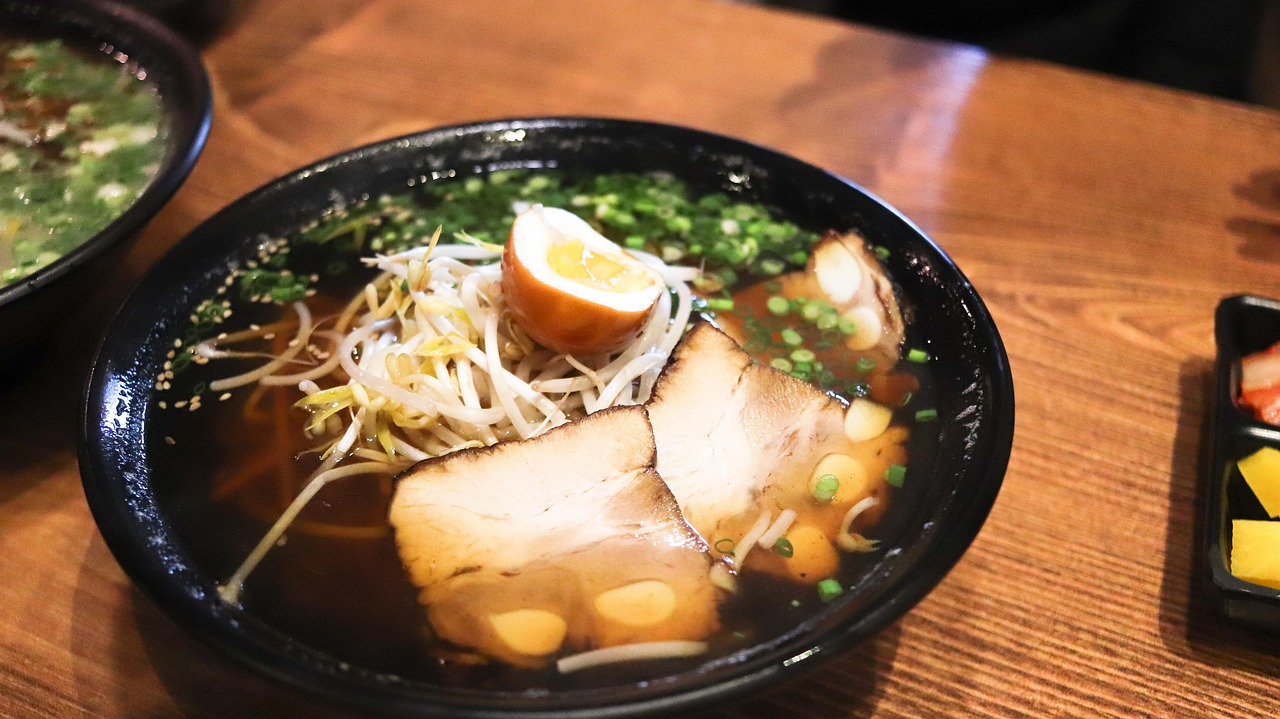
Add pork cubes and sear lightly
-
Add liquids
our in vinegar and water (do not stir immediately). Add bay leaves and peppercorns.
-
Simmer
Cover and cook over medium-low heat for 40–50 minutes until pork is tender and sauce thickens.
-
Season and serve
Adjust salt and pepper. Serve hot with steamed rice.
Nutrition Facts
Servings 4
- Amount Per Serving
- % Daily Value *
- Total Fat 0.03g1%
- Saturated Fat 0.04g1%
- Trans Fat 0.03g
- Cholesterol 0.07mg1%
- Sodium 0.04mg1%
- Potassium 0.04mg1%
- Total Carbohydrate 0.02g1%
- Dietary Fiber 0.03g1%
- Sugars 0.03g
- Protein 0.03g1%
- Vitamin A 0.05 IU
- Vitamin C 0.03 mg
- Calcium 0.02 mg
- Iron 0.03 mg
- Vitamin B12 0.02 mcg
- Biotin 0.03 mcg
* Percent Daily Values are based on a 2,000 calorie diet. Your daily value may be higher or lower depending on your calorie needs.
Note
When making Pork Adobo, you should be careful about the following points:
- Balance the soy sauce and vinegar – Too much vinegar can make the dish too sour, while too much soy sauce can make it too salty. Maintain a good balance for the best flavor.
- Don’t stir after adding vinegar (at first) – Let the vinegar boil for a few minutes before stirring to remove its raw taste.
- Cook the pork until tender – Simmer slowly to allow the meat to absorb the flavors and become soft.
- Adjust seasoning carefully – Taste the sauce near the end of cooking before adding extra salt or soy sauce.
- Don’t burn the garlic – Brown it lightly for aroma, but burning it can make the sauce bitter.
- Use the right cut of meat – Pork belly or shoulder works best for tenderness and flavor.
- Reduce sauce properly – Let the sauce thicken slightly so it coats the meat well without becoming too dry.