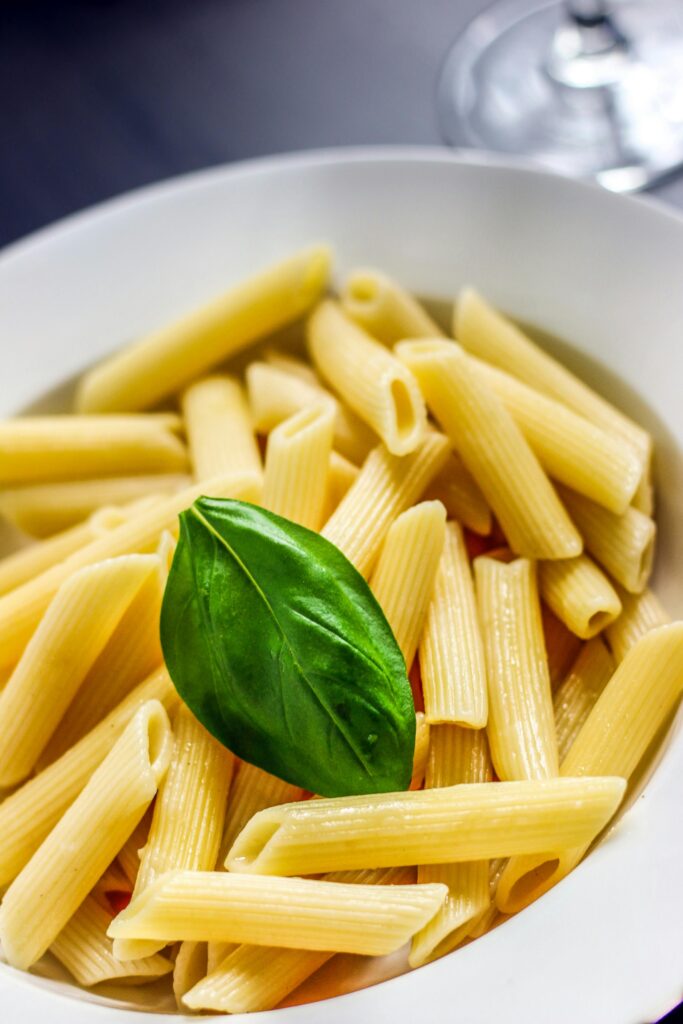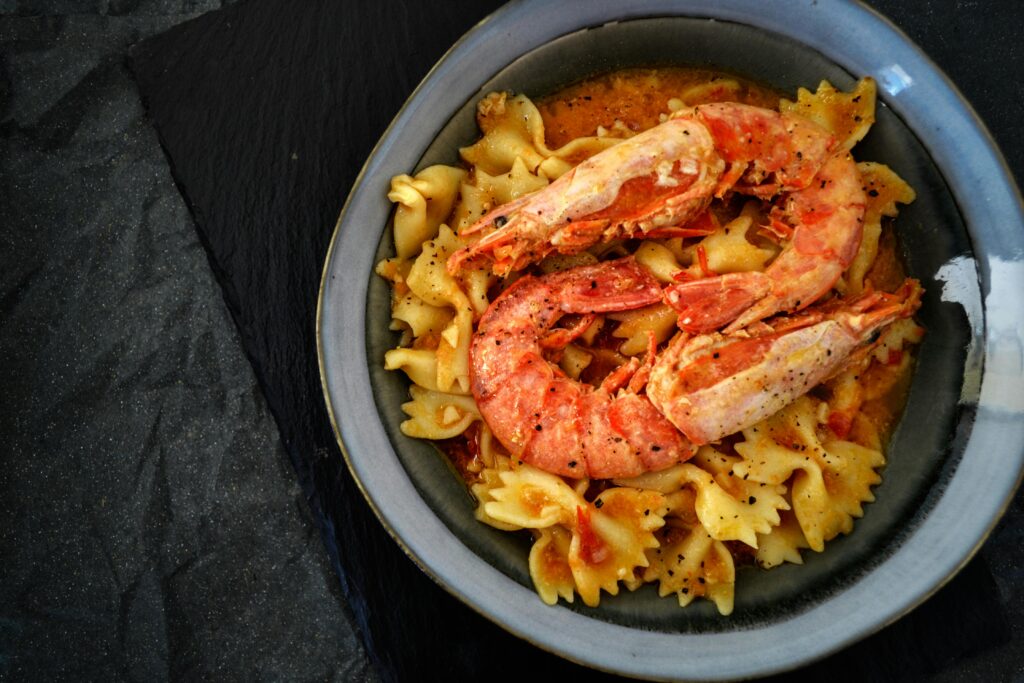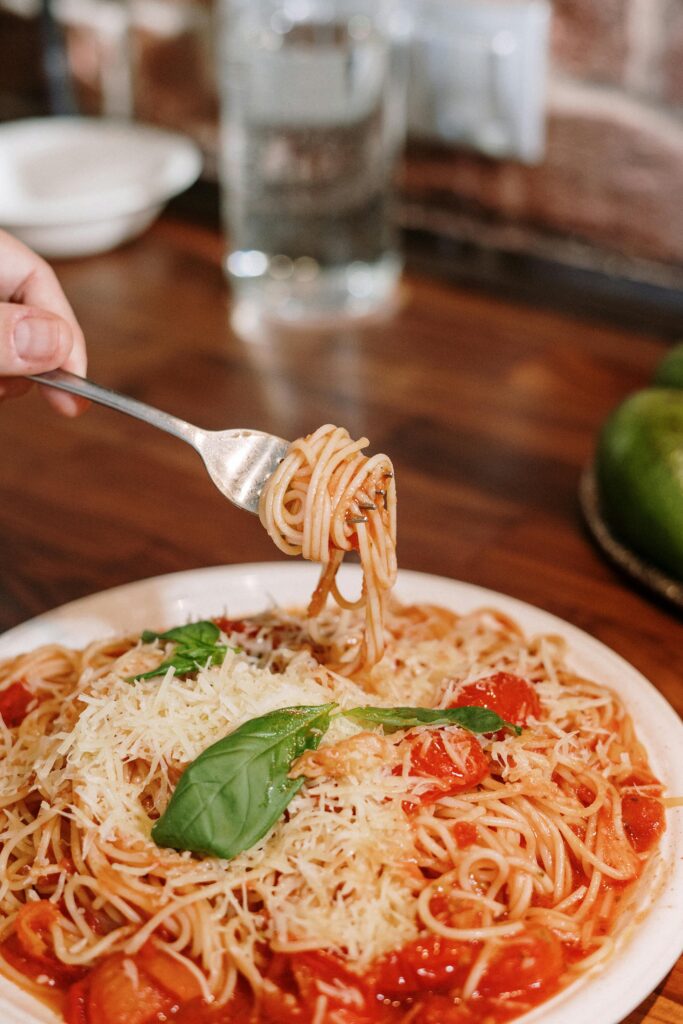

Pasta has ancient origins, with roots tracing back over 4,000 years. While often associated with Italy, early forms of noodle-like foods were made in ancient China. However, modern pasta as we know it developed in Italy, where durum wheat and water were combined to make dough that could be dried and stored.
By the 13th century, pasta became a staple in Italian cuisine, especially after the introduction of tomatoes from the Americas in the 16th century — leading to the creation of iconic dishes like spaghetti with tomato sauce.
Today, pasta is a global favorite, symbolizing Italian culture and enjoyed in countless shapes, sauces, and styles around the world.
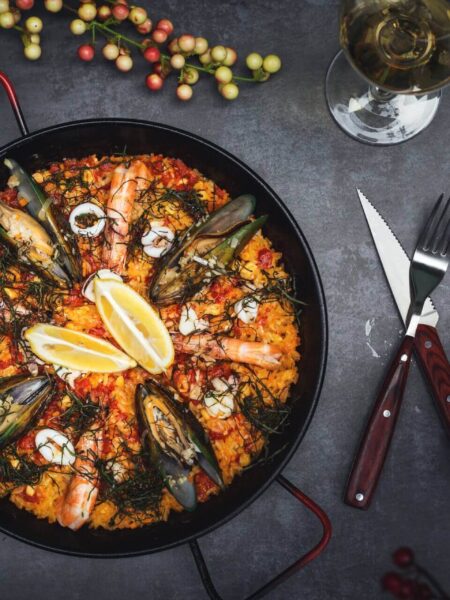
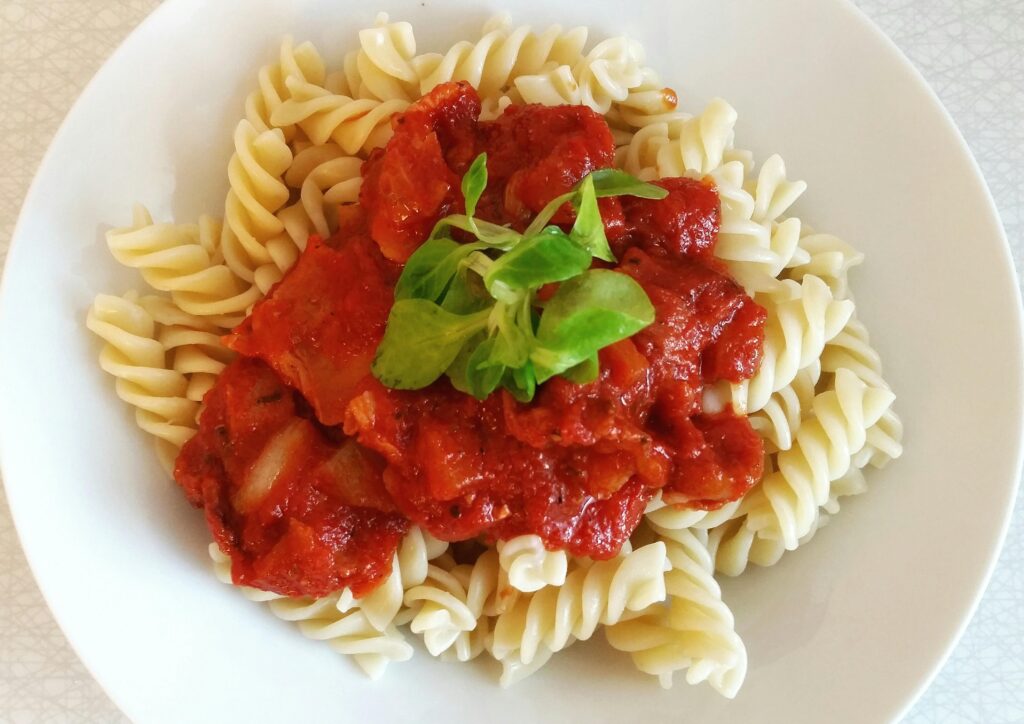
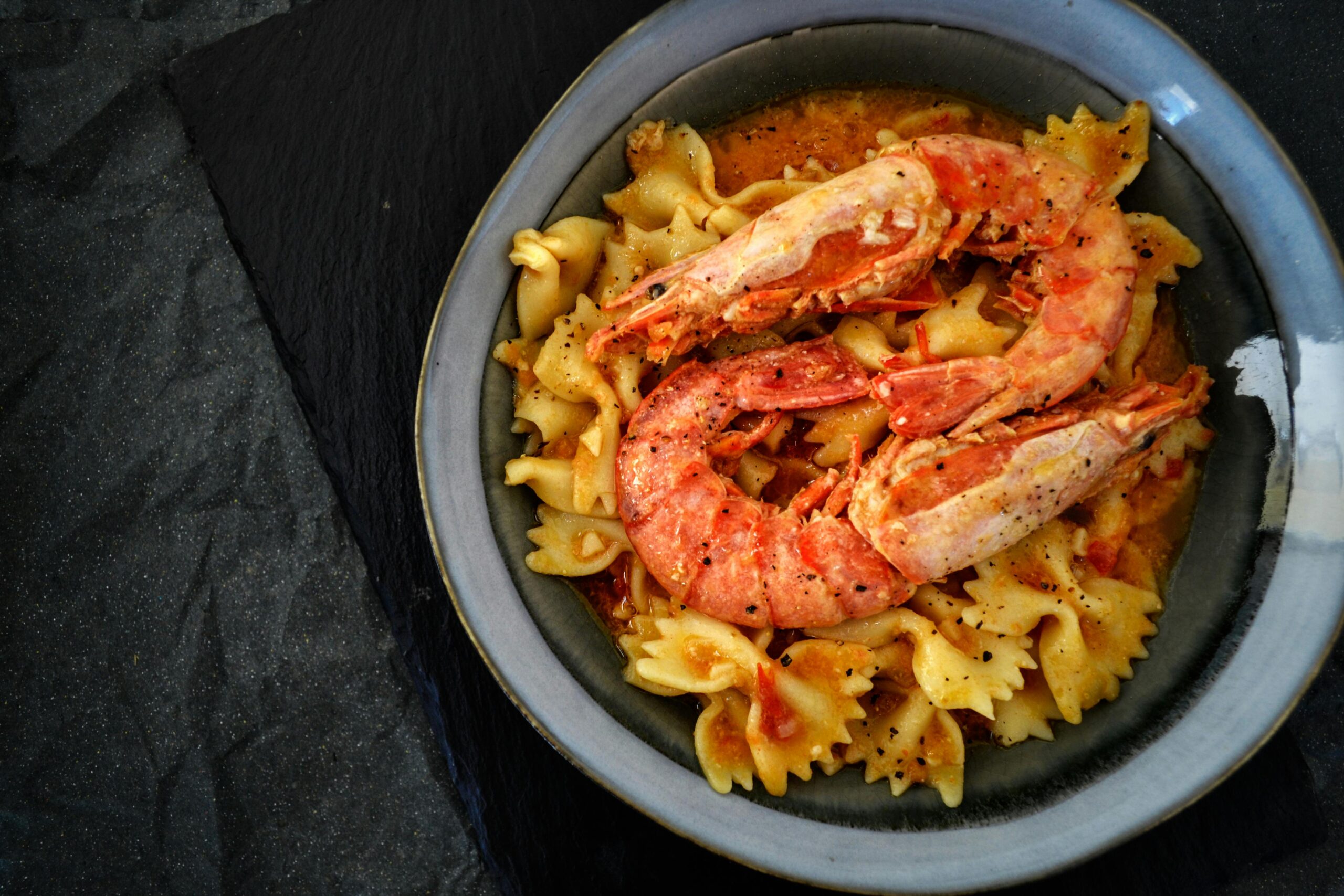
A flavorful Italian-style dish combining tender seafood with pasta in a rich garlic, tomato, and white wine sauce — light, fresh, and perfect for seafood lovers.

Seafood Pasta
Description
A flavorful Italian-style dish combining tender seafood with pasta in a rich garlic, tomato, and white wine sauce — light, fresh, and perfect for seafood lovers.
pasta boil
Instructions
-
cook pasta
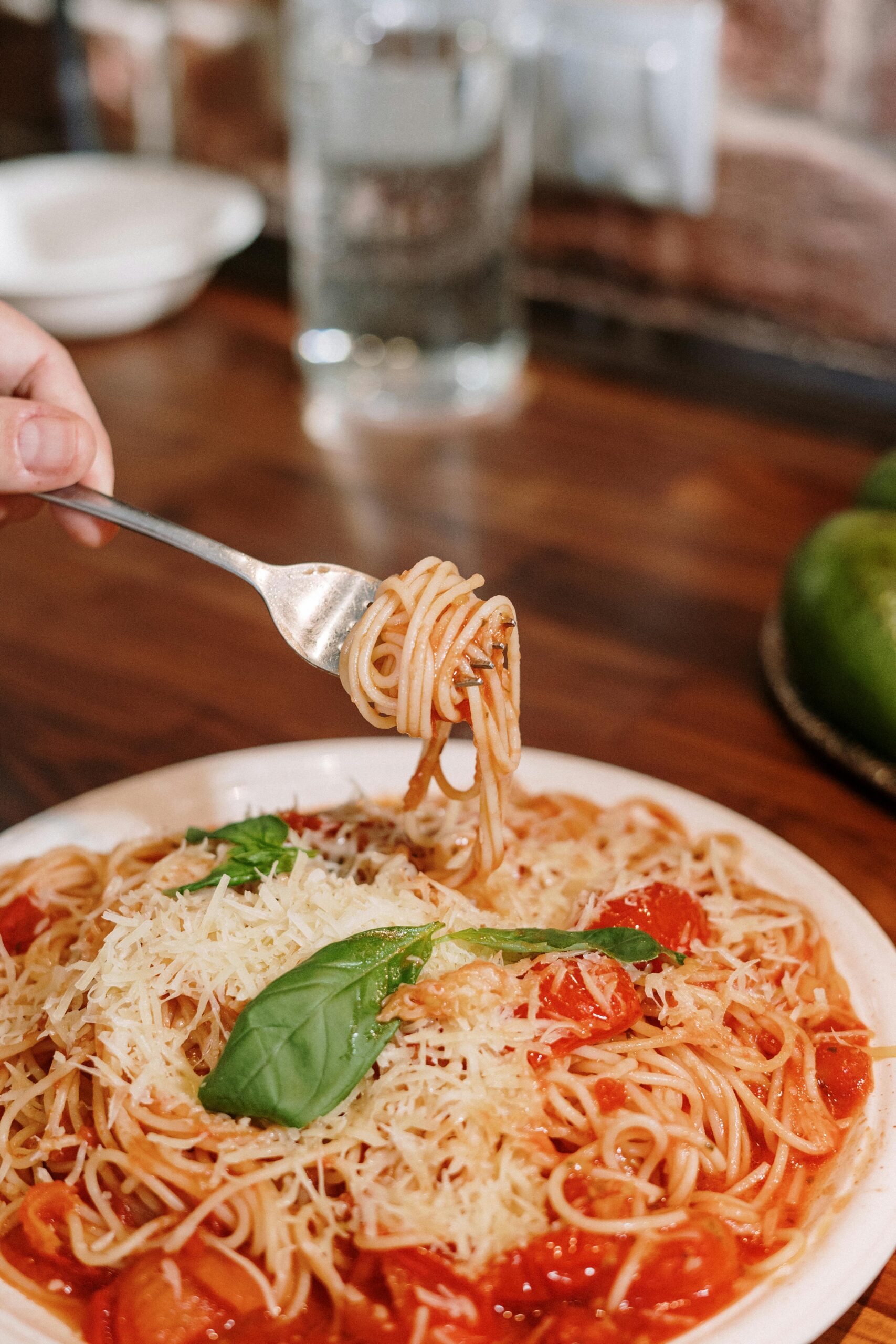
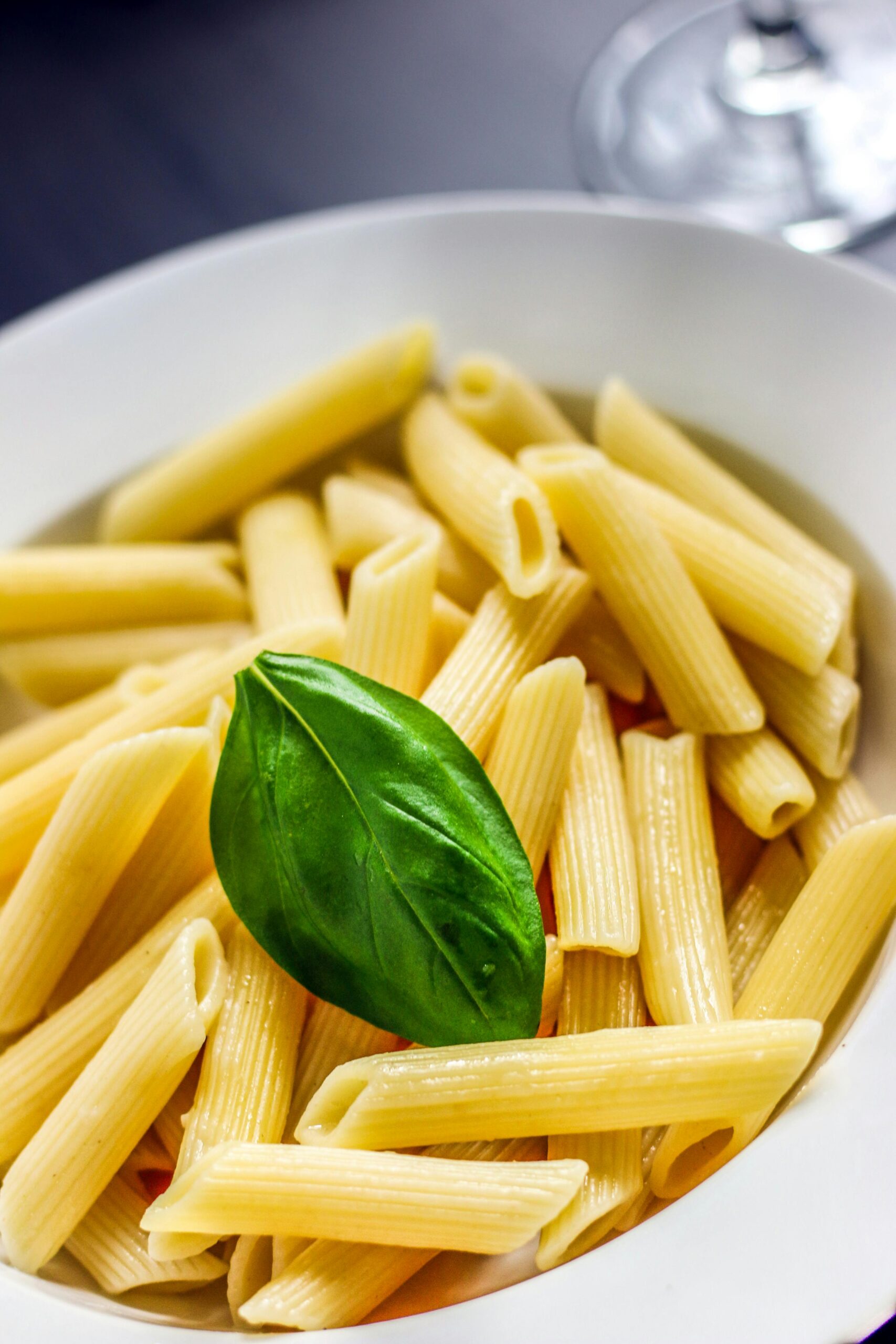
Cook pasta in salted boiling water until al dente; drain and set aside.
-
Sautee garlic
In a large pan, heat olive oil and sauté garlic until fragrant
-
Add onion
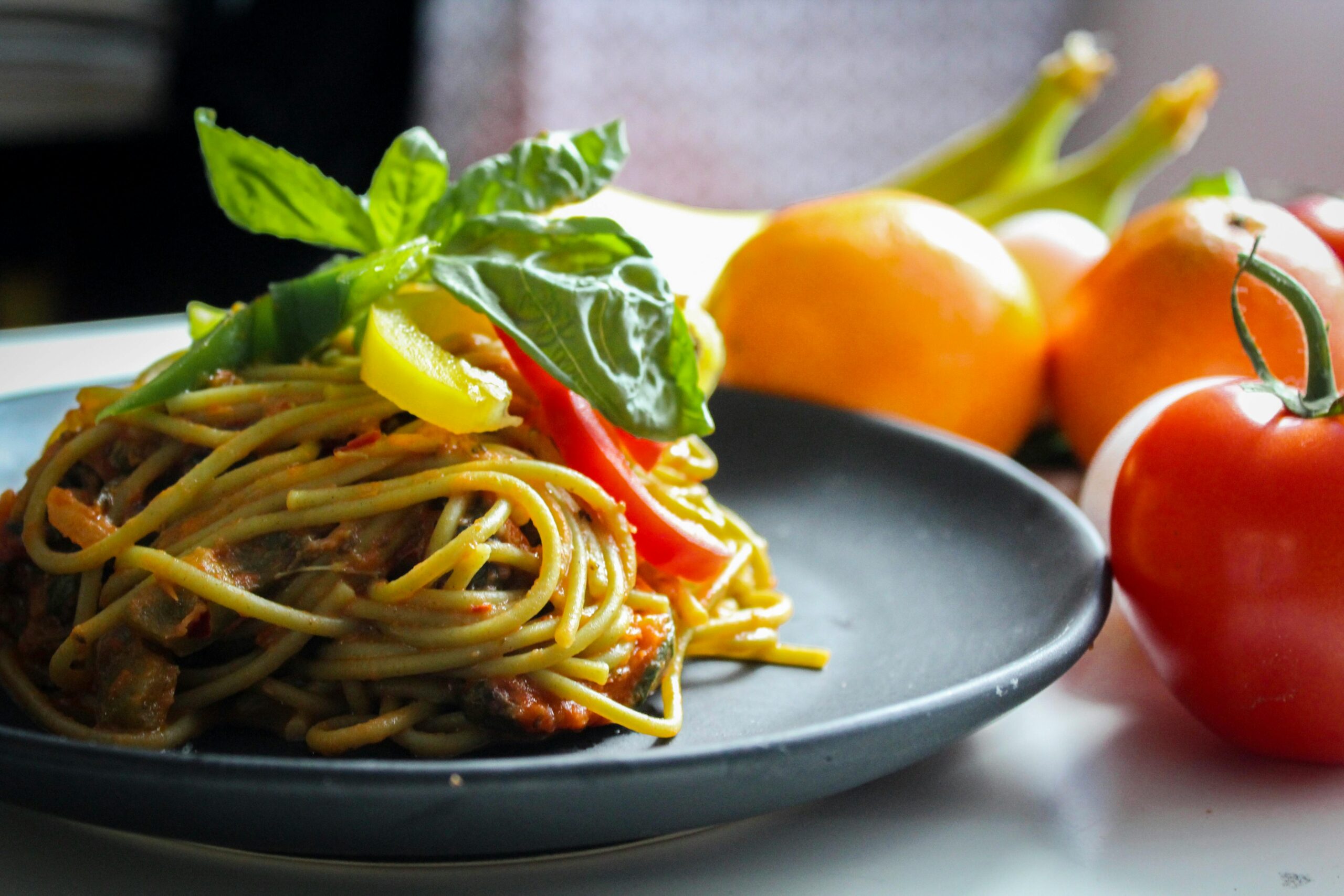
Add seafood and cook for 2–3 minutes until just opaque
-
Add Tomato
Stir in tomatoes and white wine; simmer for 5–7 minutes.
-
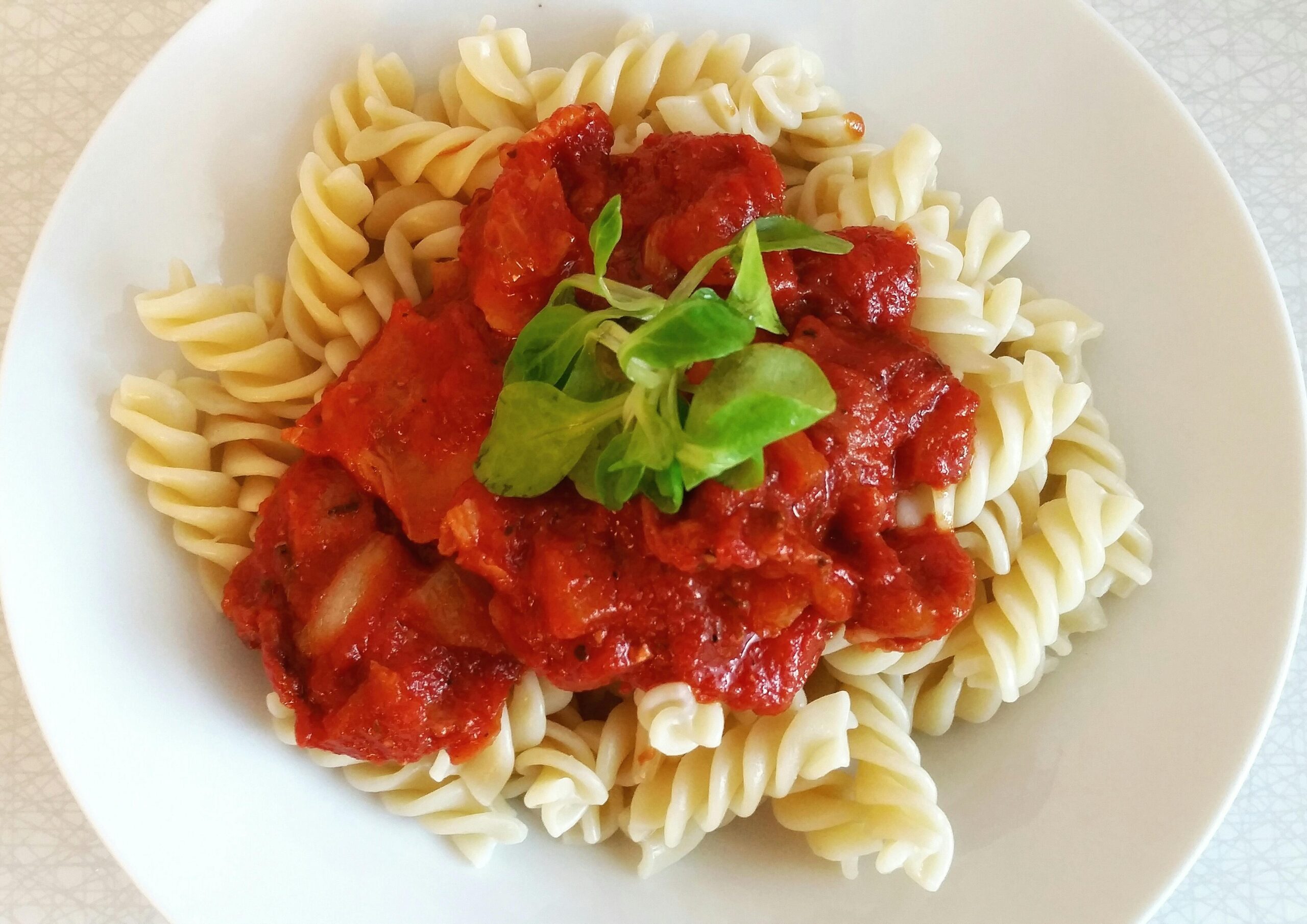
Tossed Pasta
toss in the cooked pasta, season with salt and pepper, and mix well.
-
Add Parsley
Sprinkle with parsley and serve with lemon wedges.
Nutrition Facts
Servings 3
- Amount Per Serving
- % Daily Value *
- Total Fat 0.08g1%
- Saturated Fat 0.05g1%
- Trans Fat 0.07g
- Cholesterol 0.04mg1%
- Potassium 0.02mg1%
- Total Carbohydrate 0.06g1%
- Sugars 0.06g
- Protein 0.06g1%
- Vitamin A 0.04 IU
- Vitamin C 0.07 mg
- Calcium 0.06 mg
- Iron 0.04 mg
- Vitamin D 0.07 IU
- Vitamin E 0.06 IU
- Thiamin 0.05 mg
- Vitamin B12 0.05 mcg
- Biotin 0.06 mcg
- Phosphorus 0.06 mg
* Percent Daily Values are based on a 2,000 calorie diet. Your daily value may be higher or lower depending on your calorie needs.
Note
Use fresh seafood:
- Choose fresh, high-quality seafood (shrimp, mussels, squid, etc.).
- Check for a fresh ocean smell — avoid any with a strong “fishy” odor.
- Keep seafood refrigerated until just before cooking.
Clean seafood properly:
- Rinse thoroughly under cold water.
- Remove shells, veins, and beards (from mussels) if needed.
- Discard any mussels or clams that don’t open after cooking.
Cook seafood gently:
- Seafood cooks quickly — usually within 2–4 minutes.
- Overcooking makes it tough or rubbery, so remove it as soon as it turns opaque.
Avoid cross-contamination:
- Use separate utensils and cutting boards for raw and cooked seafood.
- Wash hands and surfaces thoroughly after handling raw seafood.
Check seasoning and balance:
- Seafood is naturally salty, so taste before adding extra salt.
- A splash of lemon or white wine can brighten the flavor.
Cook pasta properly:
- Boil in salted water until al dente (slightly firm).
- Don’t overcook; it should hold its shape when tossed with the sauce.
Serve immediately:
- Seafood pasta is best served hot and fresh — reheating can dry out the seafood.